Beyond the Acorns
An Origin Story

My accelerated path into hunting began on the worst night of my life.
Up until that point, the timeline had been gradual, fueled by many questions and a desire to understand my food source from start to finish, as well as take a personal level of responsibility for the ingredients on my plate.
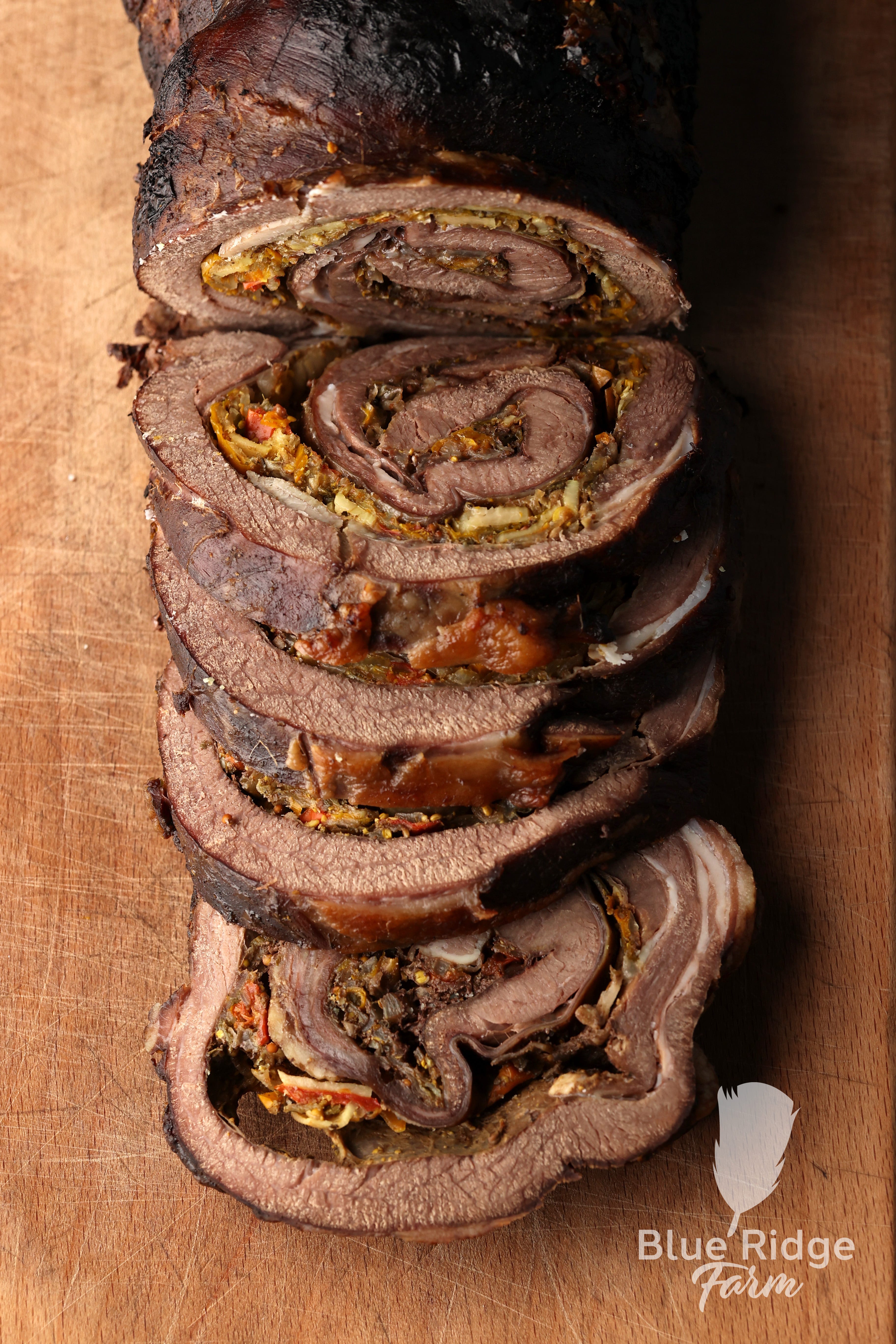
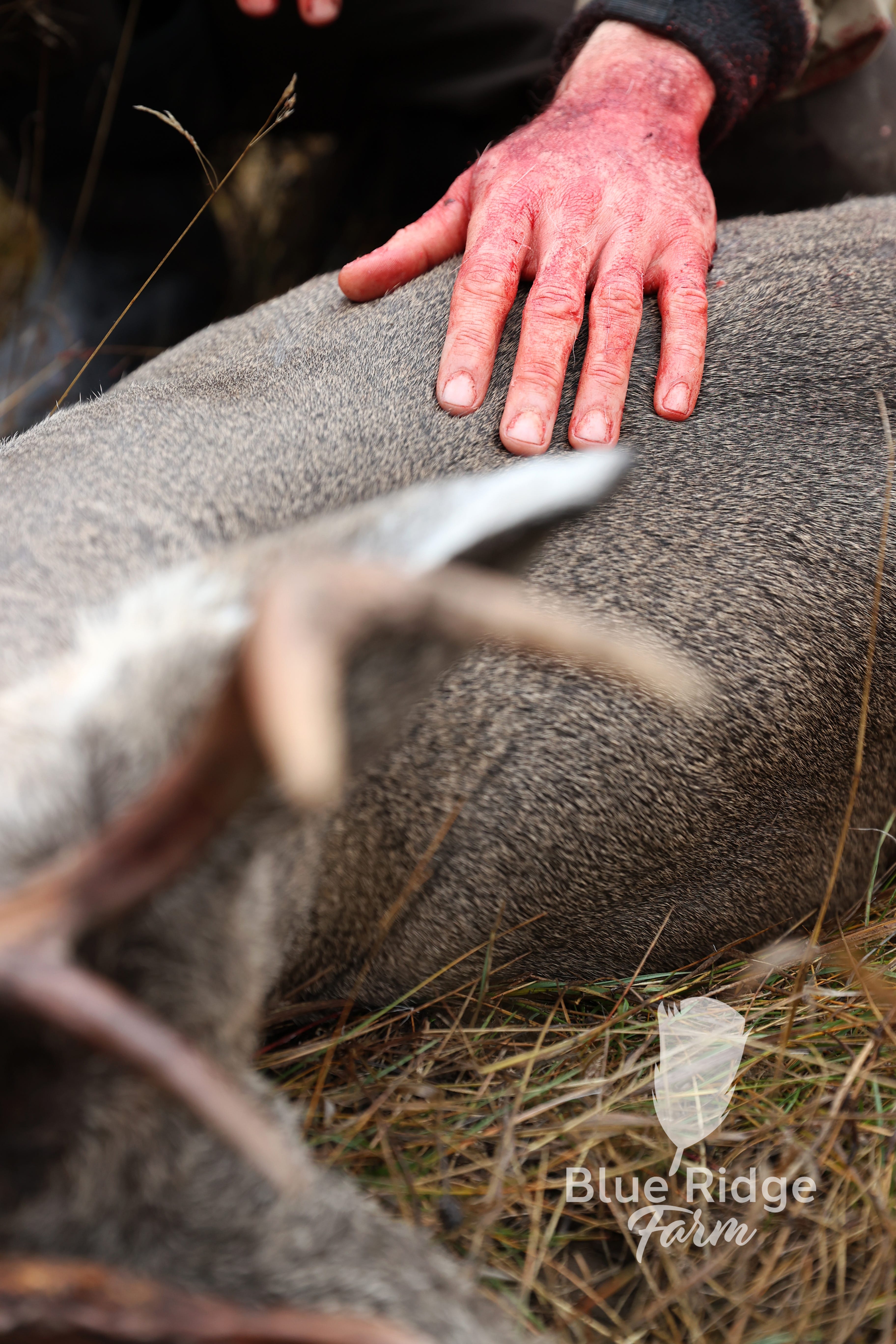
I did not grow up in a family that hunted. Rather, the opposite was true, and I was raised in a household fiercely opposed to both weapons and hunting, one without any sort of deeper connection to food than the checkout counter at the supermarket.
As I got older, I began to wonder where my food came from. Yes, it technically came from grocery stores, but where did it actually originate from and what processes were involved in getting it to me?
I began my journey as an urban vegan, but one who lacked any true concept of their food chain. As my quest for knowledge continued, it eventually led me into being a rural regenerative farmer, one who both raised and ate domestic meat. Yet I still wanted a deeper connection to my food and a more intimate awareness of exactly what went into each meal. The farmer in me now knows that there is no such thing as guilt-free eating, whether your diet is animal or vegetable, but it took me quite some time to truly understand that. During my early farming years, I had been curious about hunting, but not yet ready to take the next step.
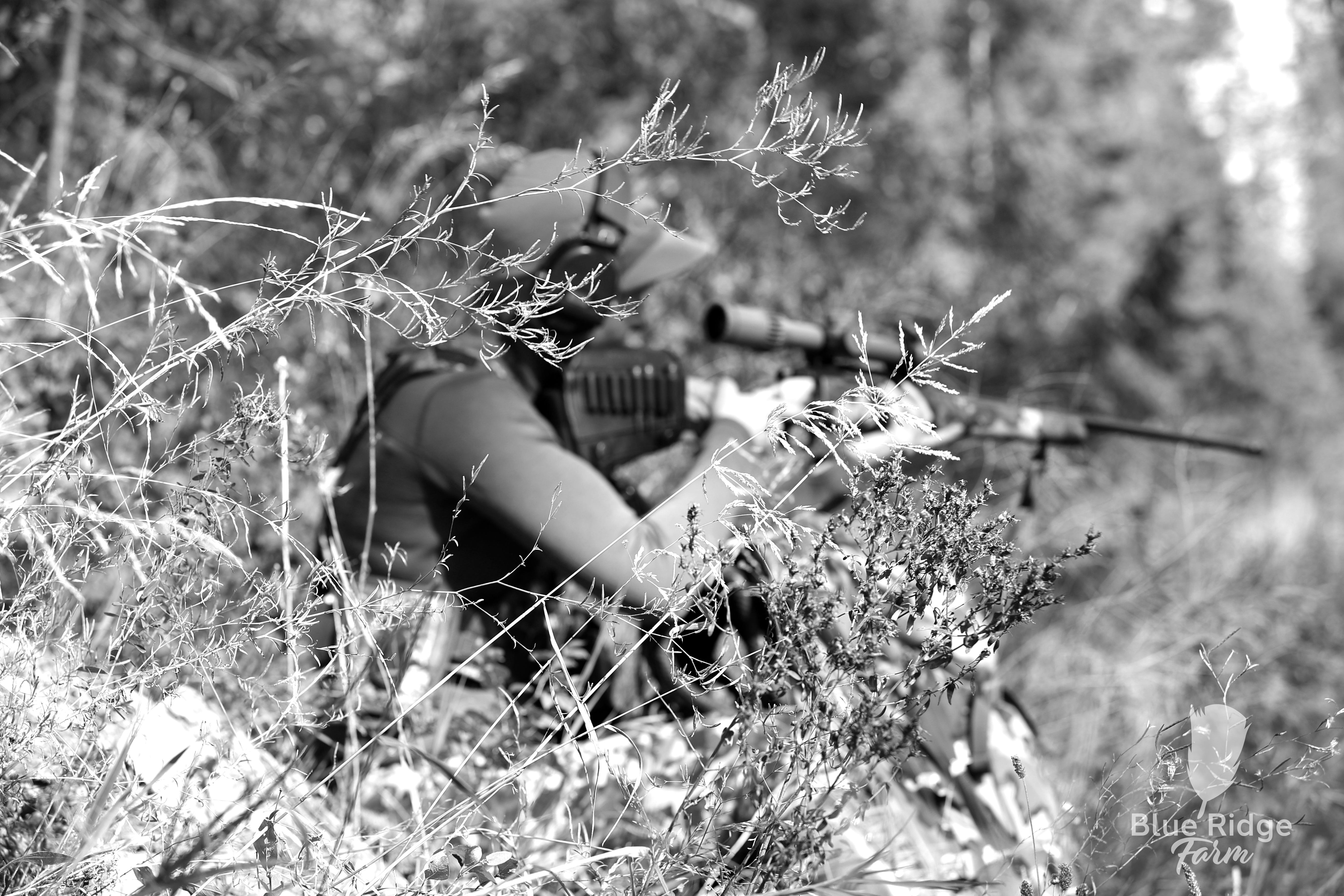
The bear attack which occurred on that terrible night left me with a dead llama, a dead black bear sow, a new terror of the dark, and a tendency toward extreme panic attacks fueled by the sound of gunfire. It was such a senseless waste on all counts, as even the bear meat and hide couldn’t be salvaged due to the previous injuries and starvation that had caused the sow to attack.
To say that it was a night I will never forget is to engage in serious understatement. I still deal with the post-traumatic stress. It’s ironic that it took a negative interaction with a black bear to eventually inspire a love of conserving them.
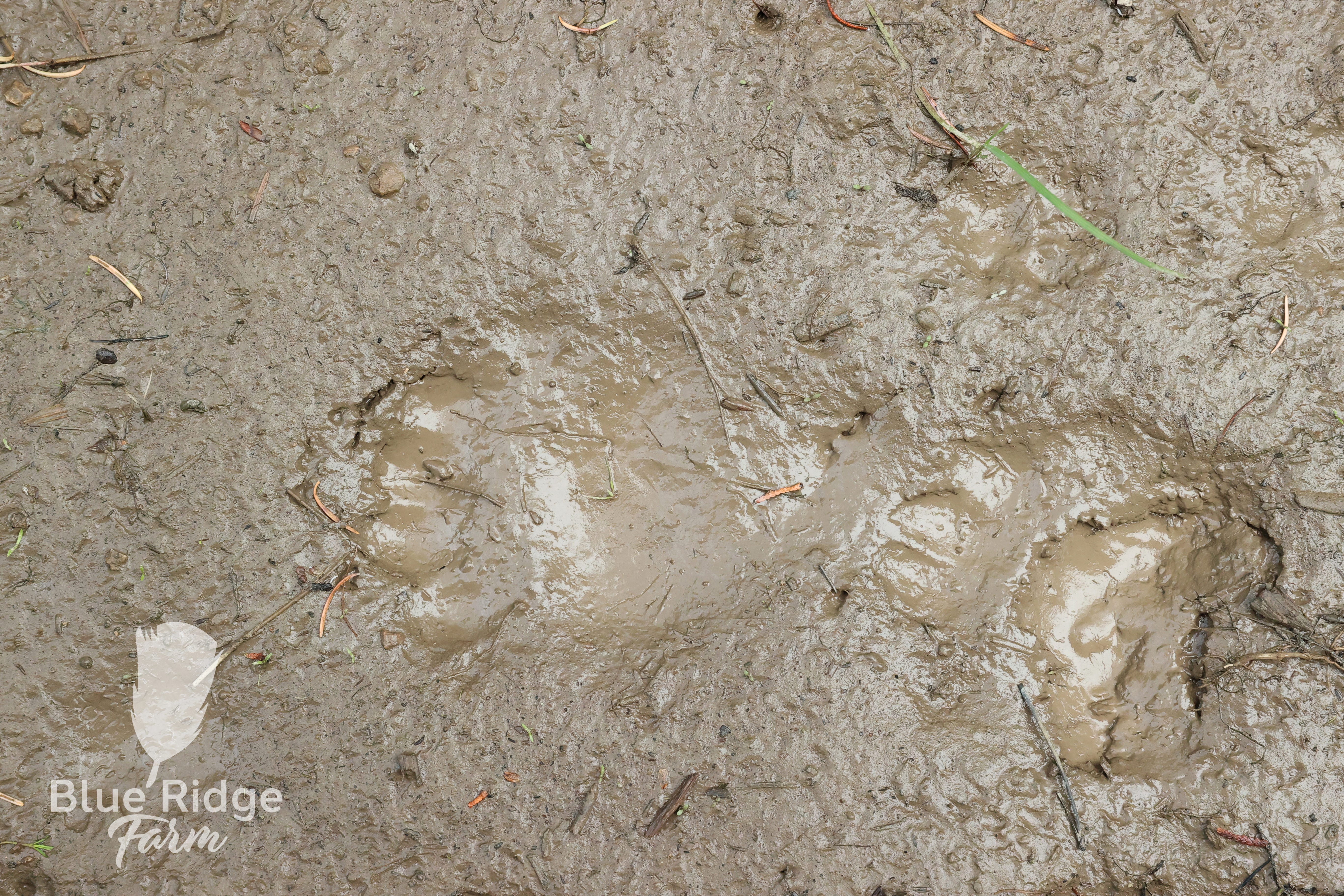
While it was difficult for nearly everyone around me to understand, I wasn’t seeking vengeance. I was simply trying to overcome the traumas and psychological triggers of what I had experienced by facing my fears – both in the woods and on the shooting range – and in the process attempting to put a normal bear between myself and the horror of that night. My goal was to not only gain a better understanding of healthy bear behaviors, but in the process learn another way to feed myself and my family from the land. It was how I chose to heal.
Before that night, I had never owned or fired a gun, still possessing a bit of that residual “guns are evil” mindset from my liberal urban upbringing. I had been deeply curious about hunting, though not quite ready to engage in it. I was still mired in that grey space between raising livestock for meat and hunting wild game, unsure about taking the next step. That was about to change dramatically – I had finally found the motivation to make that leap.
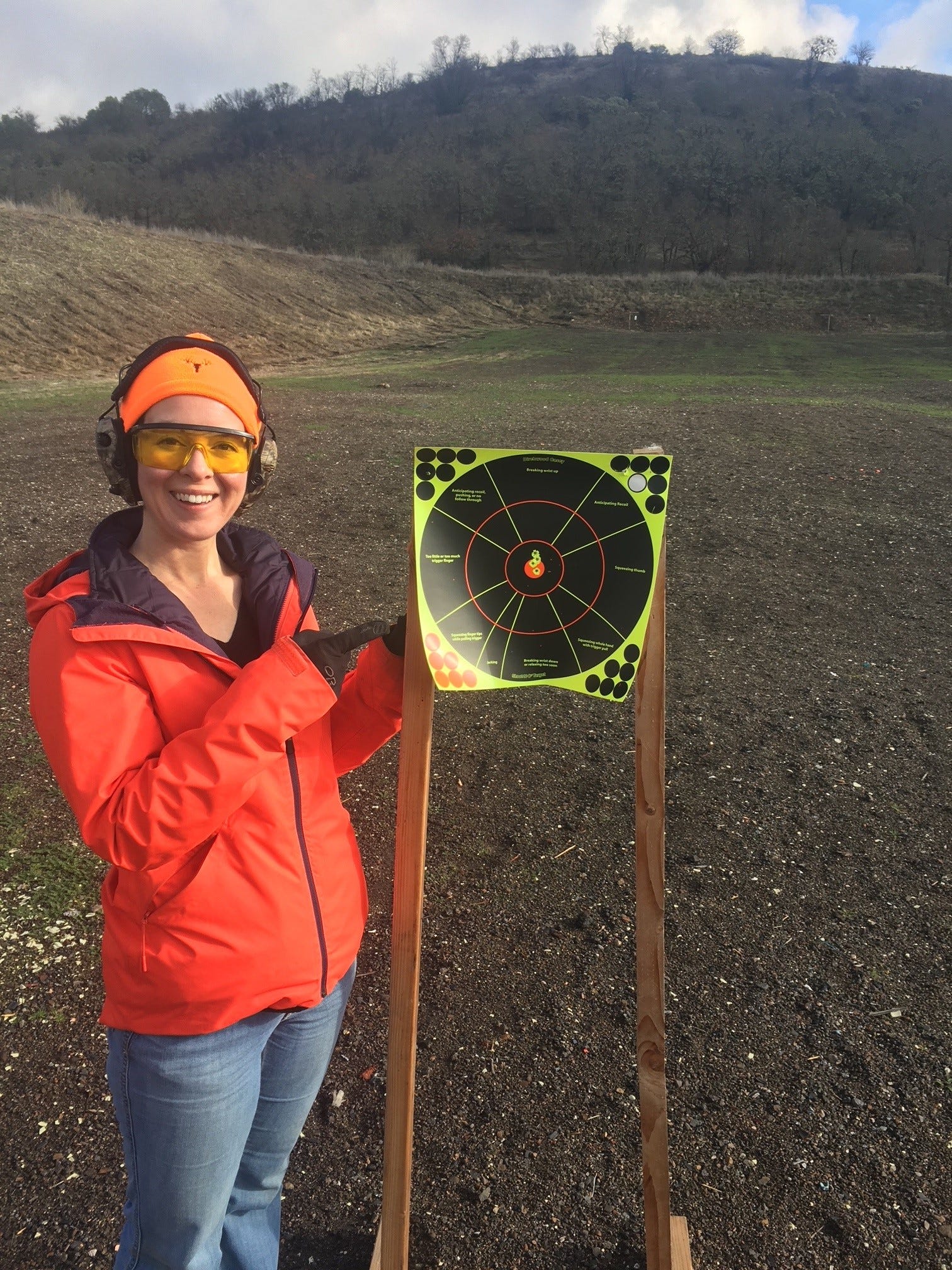
Picking up a rifle for the first time wasn’t the difficult part – the stress came from pulling the trigger. Or, to clarify, from hearing others pull the trigger.
Our property at the time was not large enough to safely hold a shooting range. Instead, my husband had a membership at a local range in town and took me there to learn how to fire a rifle. The problem was that hearing those gunshots going off from other sections of the range inspired an immediate post traumatic response in me – full blown panic. We tried going there at different times of the day, off times when fewer people would be around, but it was still incredibly stressful for me. I doggedly kept on trying to learn, even during the times when I was so overcome with terror that I didn’t think I could breathe, and my husband held me while I sobbed in the truck at the shooting range.
When I could finally calm myself down and stop shaking, I would wipe my tears away, take a very deep breath, and force myself to persist. Eventually, over time, the familiarity of constant practice helped ease the threat of trauma rearing its ugly head, and though my panic attacks never fully went away, I was better able to control them.
As a result of this style of training, I became a very cool and methodical shooter, and even began to understand the enjoyment of shooting as a pastime. In the process, I made the surprising discovery that I was actually a pretty good shot with a rifle too. Life is full of irony sometimes…
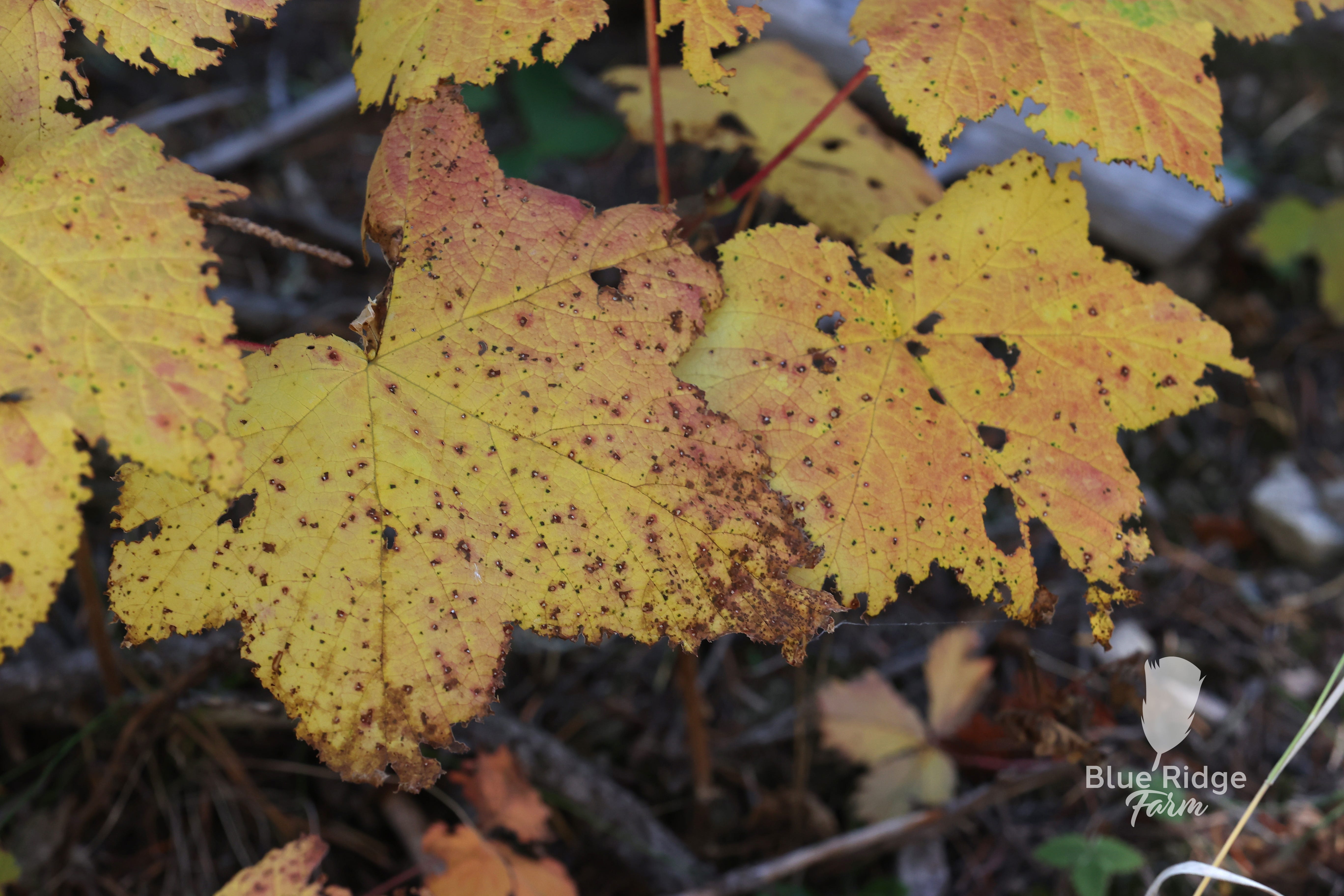
Learning how to handle a weapon was only half the battle of becoming a successful hunter, but it at least got me into the field. I had long been a proponent of the outdoors, having been a hiker and backpacker for years. Half the reason I was excited to go hunting was an excuse to be outside and immerse myself in the primal dance of nature.
Suddenly, I was no longer a passive observer, but an active participant. That changes everything about the way that you both view and interact with the landscape and the animals in it.
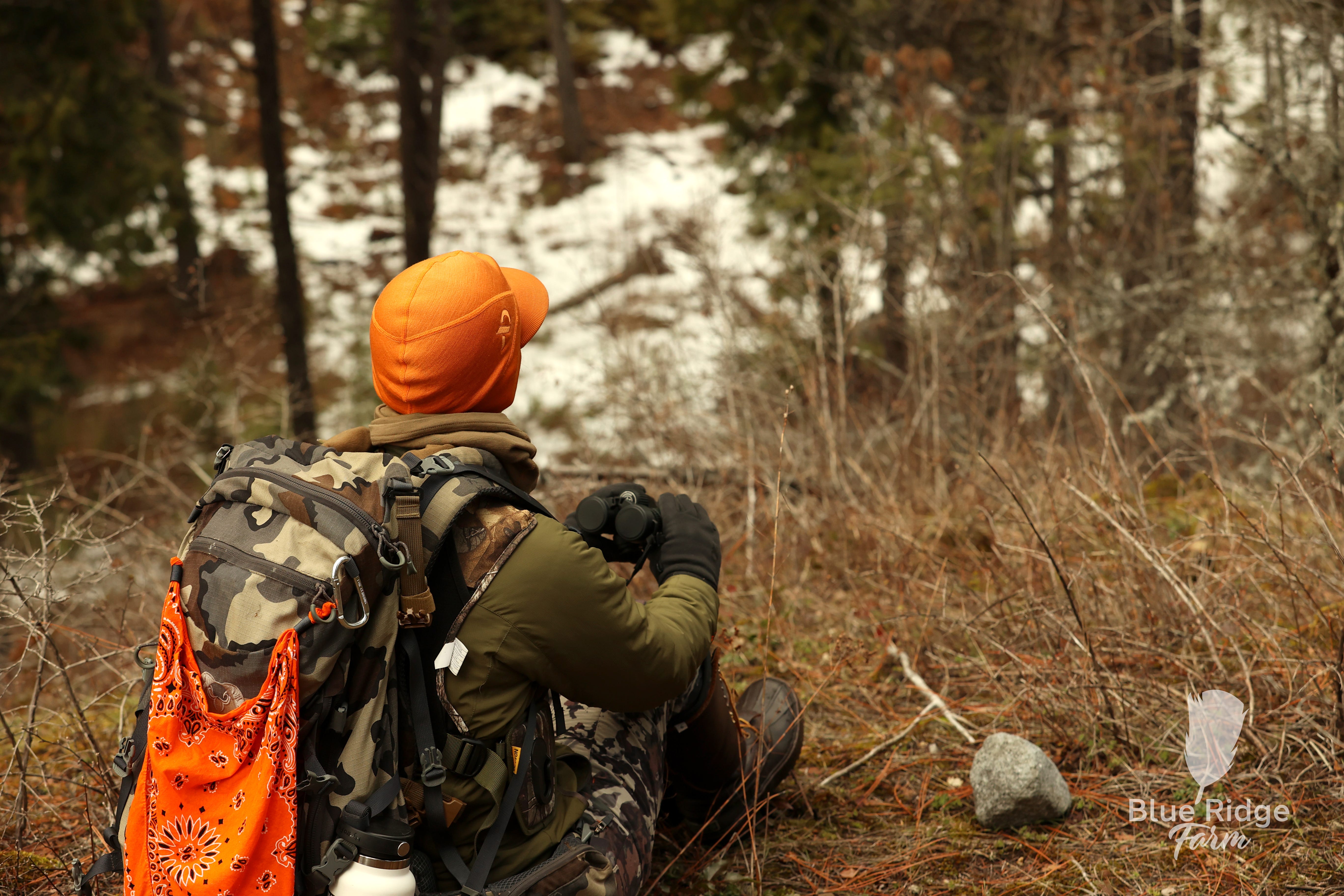
At the beginning of my journey, I had no idea the mountain of difficulty I would need to overcome in learning how to be a successful self-taught hunter (in all honesty, it is a goal I am still pursuing). Nor did I understand at the time the breadth of the chasm between hunting predators and hunting their prey. In the end, I would discover that bear hunting was, for me, a spiritual awakening, and a call to fight to preserve something that I both loved and feared.
My initial forays into the bear woods centered around an area of public land in the Applegate Valley of Southern Oregon. This large section of land was not too far away from my property at the time, though in terms of ruggedness and isolation it may as well have been a world apart.
Hiking into it was like entering a breathtakingly beautiful new world, one that challenged my body and soothed my soul. This landscape supported an enormous variety of wildlife contained within a multitude of ecosystems, from hot and dry manzanita hellholes to steeply timbered mountainsides to verdant meadows frequented by elk.
In short, it was an absolute paradise.
The best section of all was an abandoned logging road nicknamed “Predator Alley” due to its high population of mountain lions and black bears. During my time exploring there, it was not uncommon to unknowingly walk past an enormous black bear drinking from the creek below the road, or to be followed by the specter of an impressively large and frighteningly interested mountain lion.
Walking this stretch of old logging road was always such a mixed emotional bag for me: on the one hand, I was completely on edge and terrified, and on the other hand, I was absolutely exhilarated. It was an odd dichotomy of emotions.
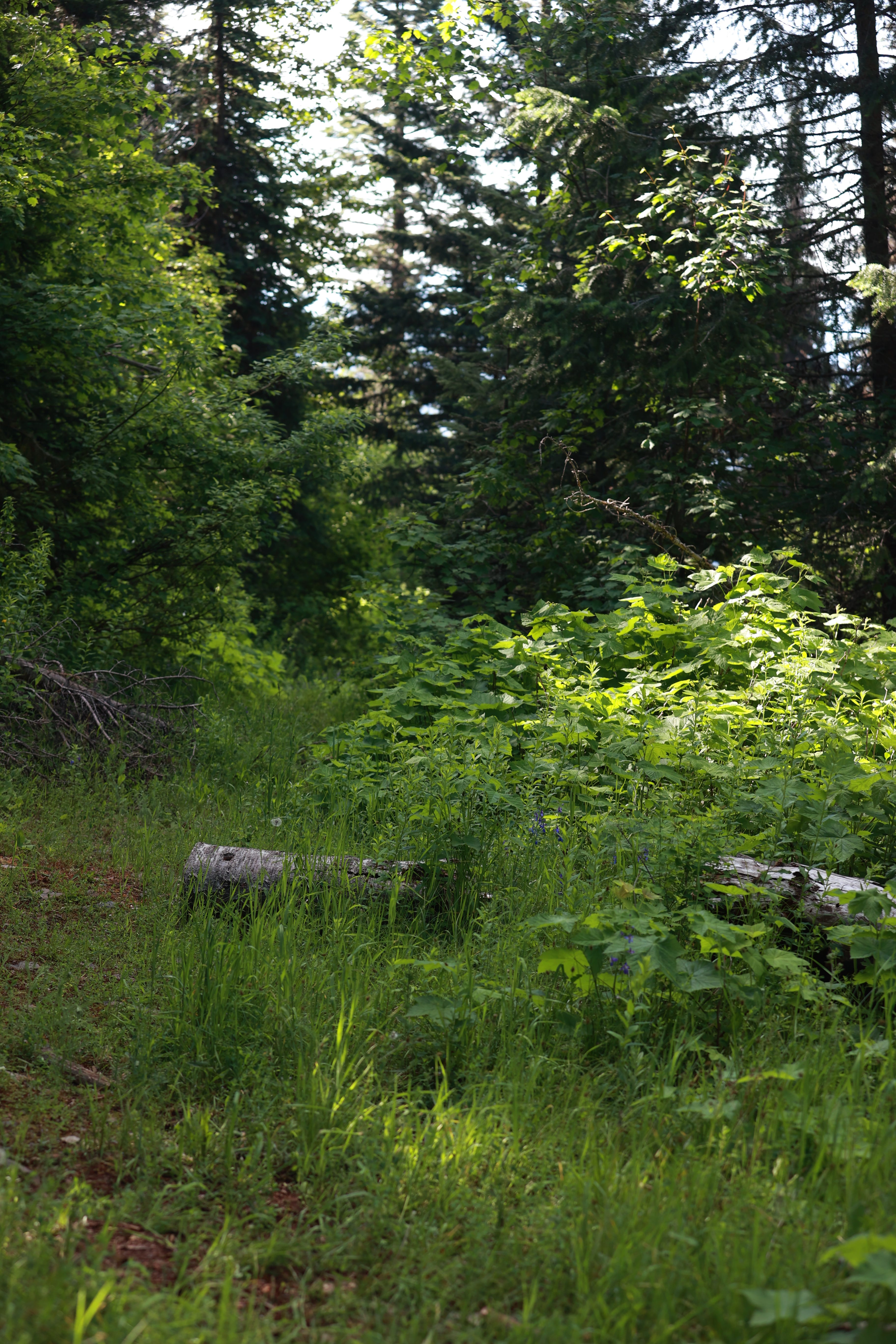
Leaving the parked truck and entering the forest during the blurry grey of first light, forcing myself to walk – step by painful step – down that road was one of the most difficult things I have ever pushed myself to do. It scared me more than any of my days spent at the shooting range.
I wanted to find a bear - wanted to see a normal bear - but I wasn’t sure if I could handle the experience of that interaction when the time finally arrived. Those first few steps into the tall grass of that overgrown road were like walking into a nightmare. Yet, over time, the nightmare eventually morphed to become something far less frightening and far more spiritual.
One of the aspects that I came to appreciate about Predator Alley was that it made me engage in the natural world on a level I had never previously been able to achieve. My senses became alive, and I was alert in a manner that I had not experienced before.
Each time I walked that road, I learned to coexist in a place where I was no longer the top predator. Suddenly, “bear” was not a theoretical concept. Bear – BEARS – were a fact of life, and pretty much a constant (albeit invisible) presence in any morning or evening ambles along that road.
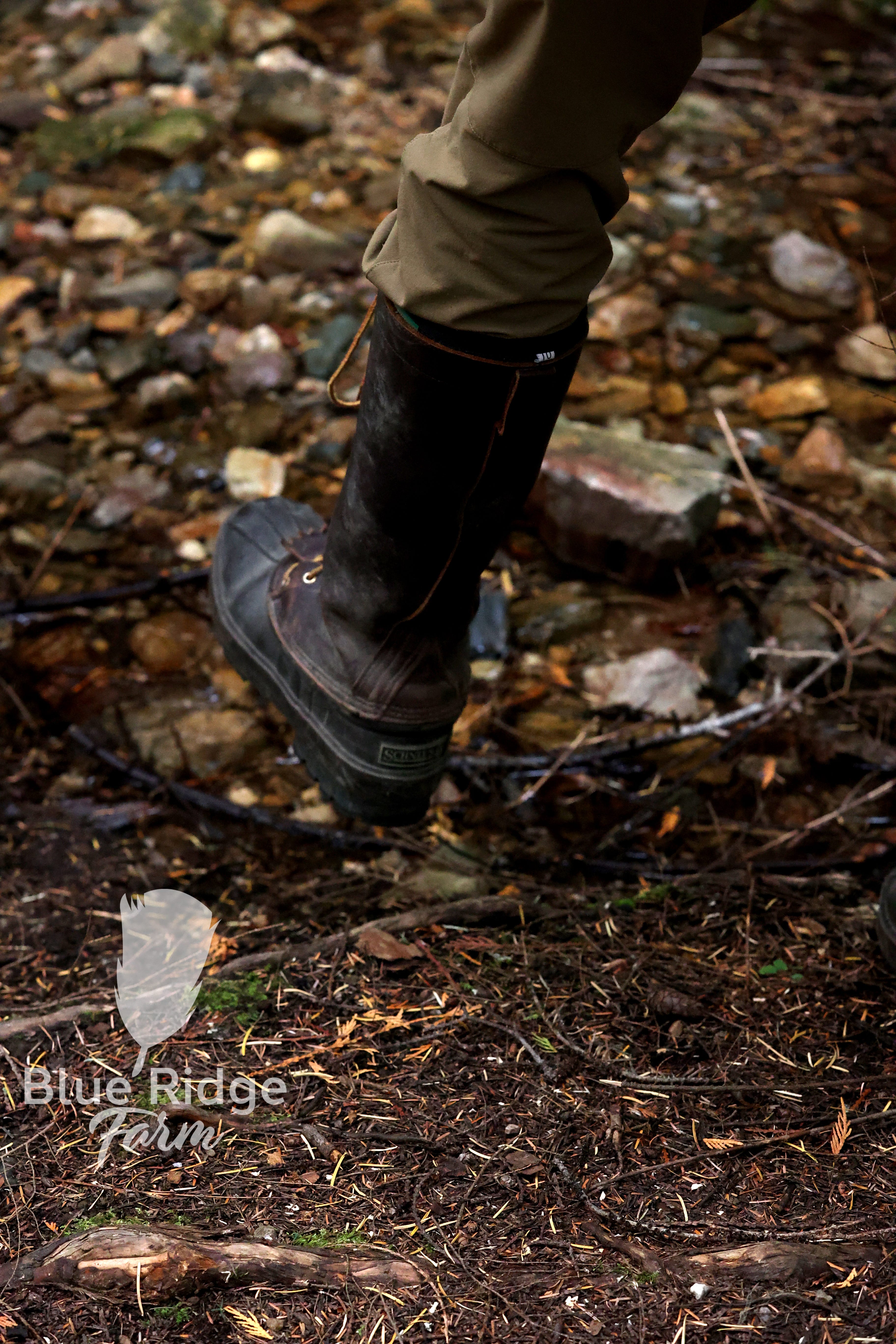
Though I never did manage to have a face-to-face encounter with a bear, hiking there made me realize that I loved being in a land with a healthy predator population, even if the thought of actually running into one still filled me with dread.
My experiences in Predator Alley were what lit a fire within me and created a love for the animals that called this place home. It made me vow to always live in a place where the wild things roamed freely.
The eventual fulfillment of that promise came when we purchased a large piece of land in a remote corner of northeast Washington State.
Suddenly, we were living in an entirely different ecosystem filled with a multitude of wildlife as well as a puzzling new array of food sources. Instead of having to travel to find animals, we merely had to step out the front door.
Bears, cougars, and wolves were regular visitors to our place, along with the whitetails and elk that called our land home. Yet the vegetation had changed dramatically from what we were used to back in Oregon, switching from oak trees and acorns to evergreens and chokecherries.
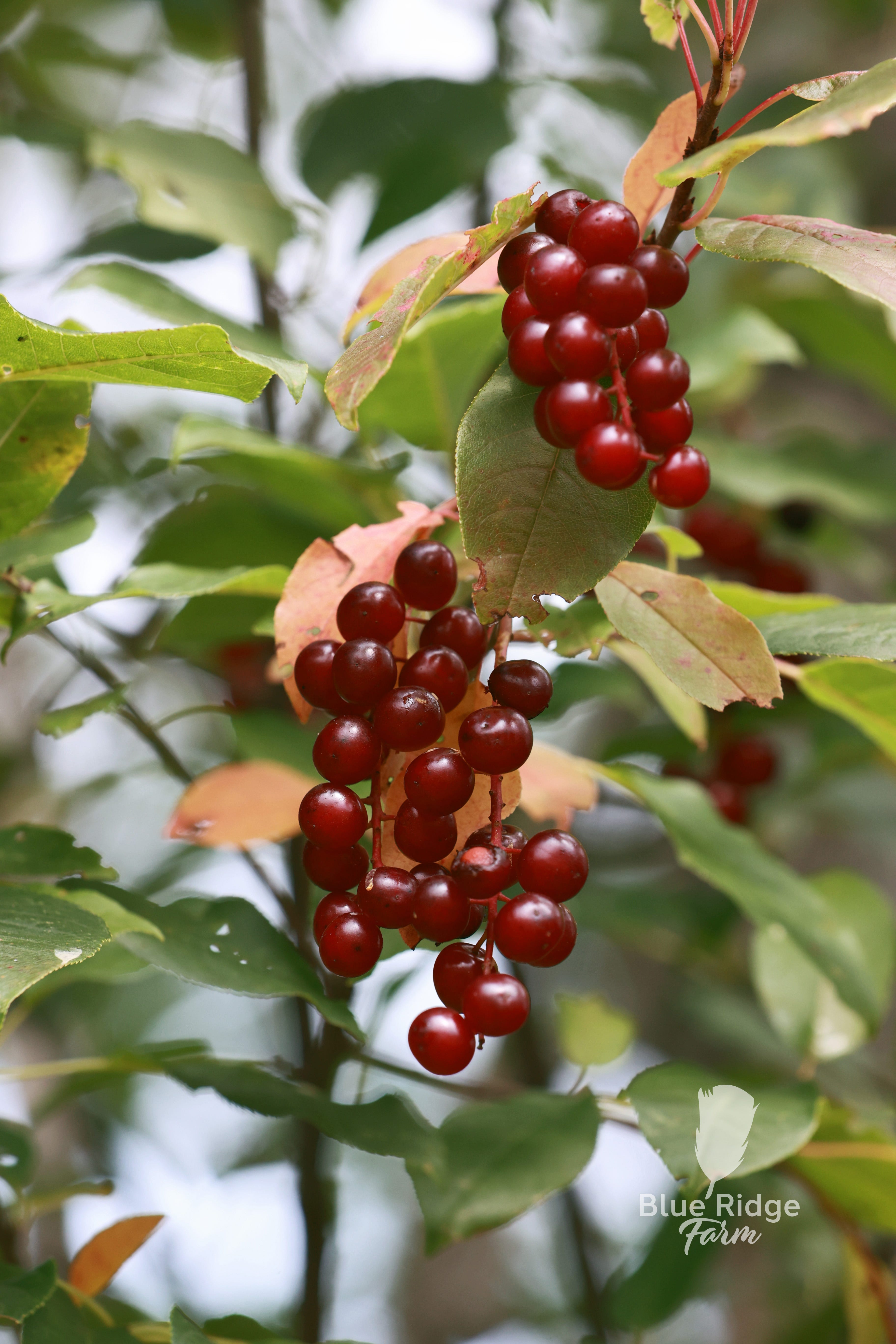
I was honestly perplexed as to how to proceed.
Unlike in Southern Oregon, where water was always the limiting factor for locating bears, there were creeks and springs everywhere here. Heavy cover was abundant, and there were no hard mast crops to speak of. What in the world were the bears eating, and what was that magical limiting factor that helped congregate their numbers into a particular area? These were questions that kept me up at night, and I was determined to find the answers to.
That first year in Washington ended up being one of the driest years in recorded history for the region. Food was scarce, the berry crops were almost nonexistent, and the bears widely scattered.
Though we explored the areas around our new property – everywhere from the tops of 5,000-foot peaks to the bottoms of spring-fed valley creeks – we were never able to successfully locate a harvestable bear.
Even the movement patterns of bears across our own property were scarce, limited to a single small sow with cub and a chance nocturnal visit from a large boar in the late autumn. Not having a basis for comparison, I didn’t realize that this pattern of scarcity was the exception, not the norm. I so badly wanted to harvest a bear, and the failure of that first year made me ache inside.
The following year saw a return of moisture, with a cold wet spring lingering well into summer. This translated into lush vegetation and an enormous berry crop later in the season.
Despite my inexperience, I did my best to think like a bear, and decided to shadow the huckleberry patches as they ripened from one elevation to the next. At the very least, I reasoned, I could fill up the freezer with a harvest of berries.
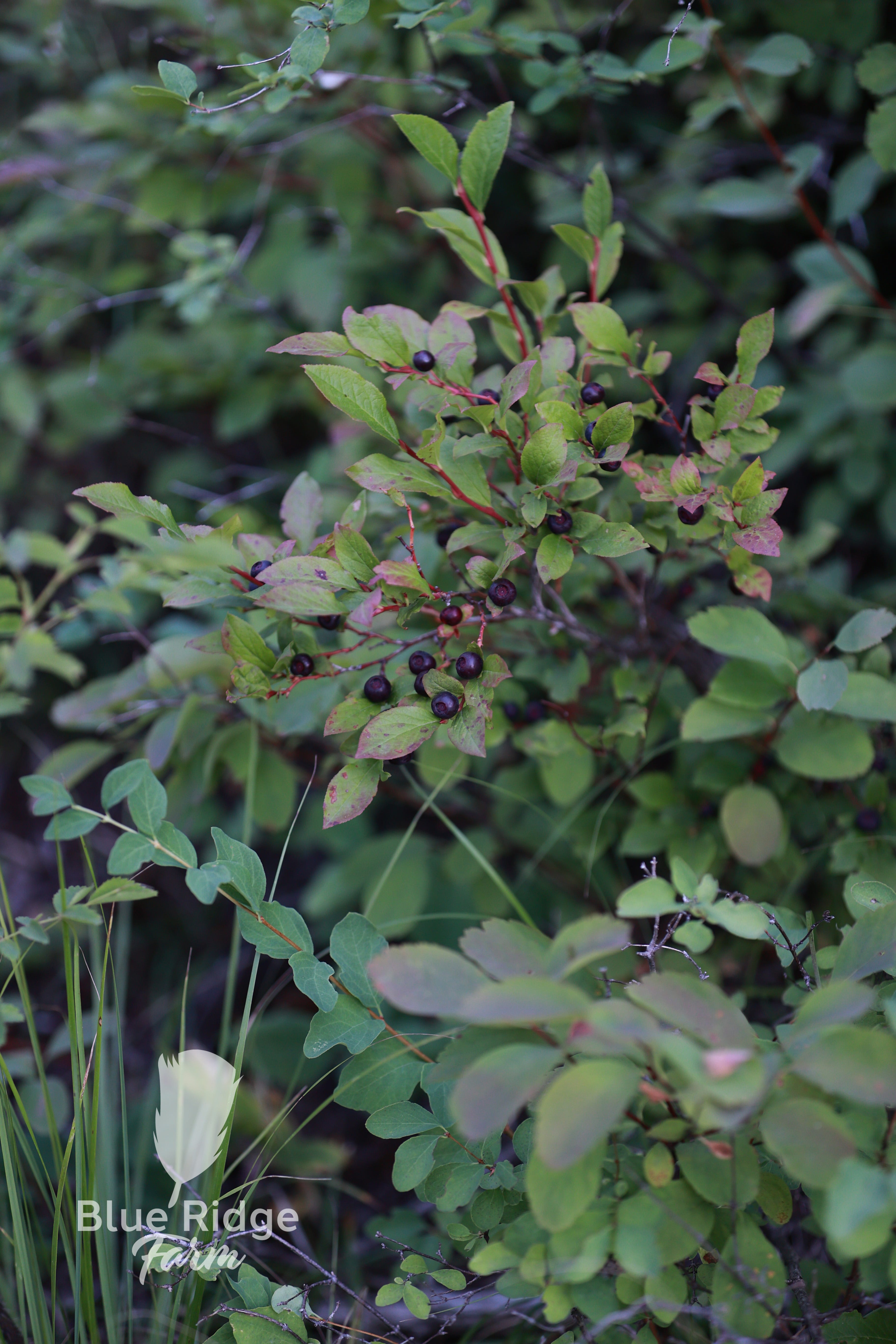
Twenty pounds and several weeks of huckleberries later, I had permanently purple-stained hands and nary a bear in sight. This was mystifying, not to mention completely embarrassing. Clearly, I was having trouble putting the puzzle pieces together as I bumbled my way around the woods.
One morning in late summer, I was taking a walk along the western edge of my property, when I stumbled upon a fresh pile of bear scat that made me stop in my tracks. This was a new and exciting development!
The scat was filled with the seeds of hawthorn berries as well as pits from the chokecherries growing wild along our little tributary creek. The relative size of the scat was encouraging too – big enough to be from either a large sow or a small boar. In short, it was a bear of harvestable size. The bigger question was: did it come with cubs?
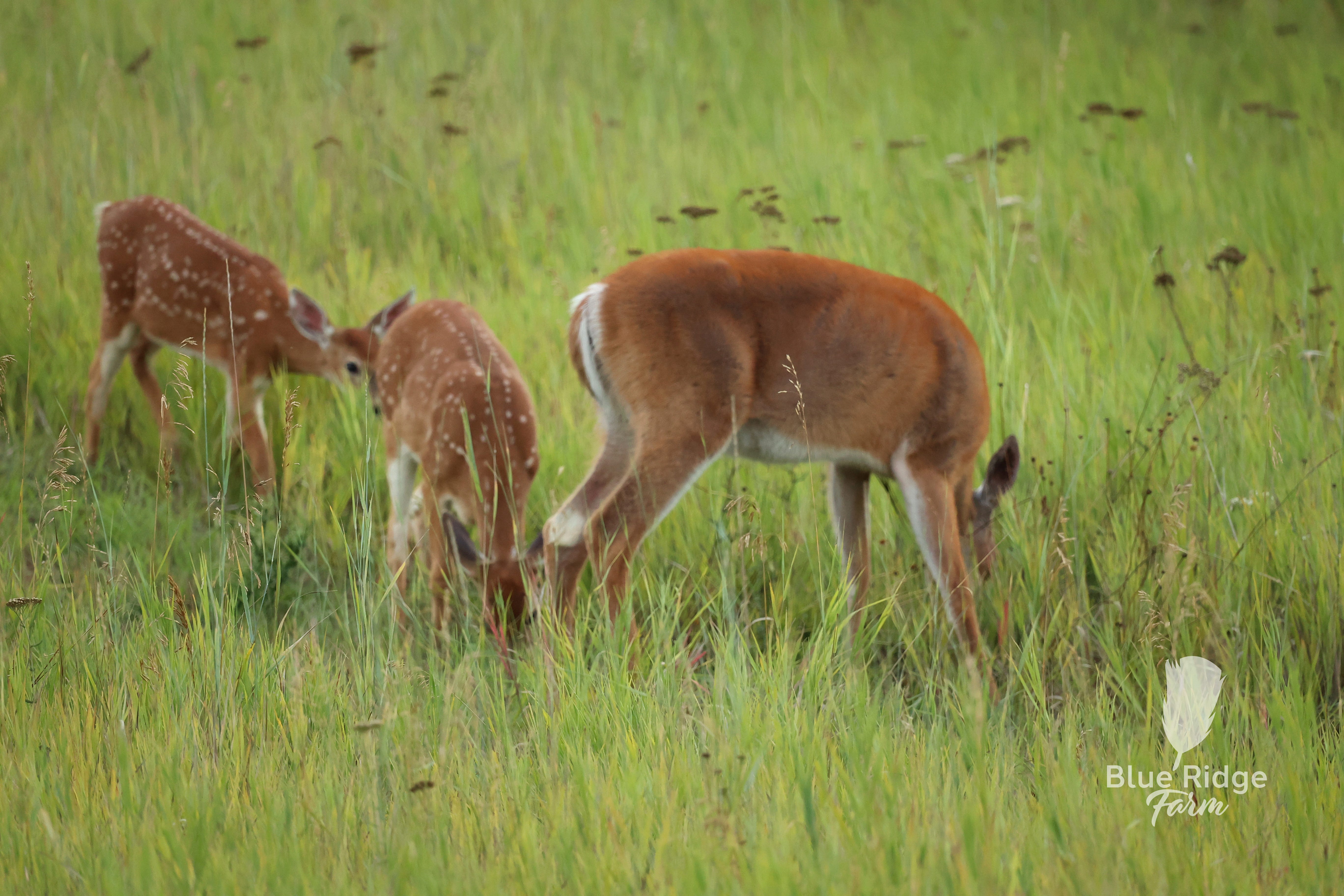
The hardest part about hunting on my property is that it seems to be a bit of a natural maternity ward for wildlife. Every year, the whitetail does and elk cows come down to raise their young in the sheltered forests surrounding our farm. Their movements are naturally trailed by the predators, and even the black bears seem to prefer to raise their cubs here. Over the course of this season, our trail cameras picked numerous sow-and-cub groups moving throughout our property. Only one of those groups ever stuck around as the season progressed – a rather large and beautiful jet-black sow with a nearly full-grown cub in tow.
The first time I ever laid eyes on that sow also happened to be my first face-to-face encounter with a normal bear. The irony of this chance meeting was that it took place three long years and a move of several hundred miles from when I first began my search.
The interaction occurred on a wonderfully warm afternoon in late spring. My husband and I had decided to take a walk around the southwest corner of our property, and after we had crossed the old wooden plank that constituted as our “bridge” over the little creek, I heard my husband let out a quiet expletive and begin to draw his bear deterrent.
Looking through the grove of cedar trees, I could only make out the white of a bear snout peering back at me. Without thinking, I quickly let out an authoritative, “Hey Bear!” and watched the most beautiful black-hued sow and her full-grown cub run off and into the adjoining property in a jumble of bear butts and galloping paws.
“That was awesome!” I exclaimed to my husband with an enormous smile plastered to my face, and I couldn’t wait to check the trail cameras to see if we had caught any images of the two bears.
It was my first time ever being that close to a normal black bear, and I was absolutely enthralled. It made me stop and realize how far down the path of healing I had come. My interaction with the sow and her cub had only elicited joy, not the terror I had battled for so long. In a strange way, this sow became a spiritual emblem of my long road to healing, and I felt a connection to her that was as deep as it was indescribable.
Throughout the spring and early summer, we repeatedly caught the sow and her cub on camera. As the season progressed, however, we began only seeing pictures of the sow traveling solo. We realized that she had finally ousted her cub to fend for itself in the world, and it dawned on me that I finally had a harvestable bear on my very own property.
Some folks may balk at that comment, and I completely understand why. For reasons of conservation, it is generally best to harvest a mature male of any given species, so that his genes have already been passed on to future generations. Normally, I am a staunch supporter of this method of hunting. Yet bear populations seemed quite healthy in our neck of the woods (over the course of the season, we counted seven pairs of sow-and-cub groups and at least two different boars), and sometimes there comes along a particular animal that simply speaks to the hunter.
This sow represented to me far more than just a normal bear encounter – she was the embodiment of everything that I had worked so hard to achieve. The hunt for my first bear was no longer about harvesting any legal animal; instead, I wanted the conclusion of this final chapter in my bear hunting journey to end with her.
The sow now spent most of the late summer and early autumn feasting on the ripe wild cherries and assorted soft mast crops that grew in profusion along our creek. Despite it being one of the busiest seasons on the farm, I devoted as much time as possible to still-hunting those areas or sitting in ground blinds at dawn and dusk, sometimes predator calling and sometimes not, waiting for a bear that never arrived.
The wind was always perfect, and my movements silent, but whether it was due to Fate or inexperience or just plain bad luck, I could never seem to be in the right place at the right time.
Frequently, I would catch her on our trail camera a few hours after I had left, or else showing up during the daytime on the one morning I had taken off. It was as maddening as it was addicting, and thoughts of her consumed my every waking moment during those months.
As the berries dried up and September phased into October, her visits grew less frequent, eventually stopping altogether. Clearly, she – and the other bears in the area – had gone elsewhere in preparation to find dens for hibernating through the winter.
My sense of loss could not be described. I felt like such a failure, heartsick and oddly angry at myself for not being experienced enough to have put the pieces together in time, and now the animal that had turned into the embodiment of my spiritual awakening had abandoned me. Even if she somehow returned next year, the odds were high that she would have a cub in tow, making her prohibited in my own moral book, as well as in local game regulations.
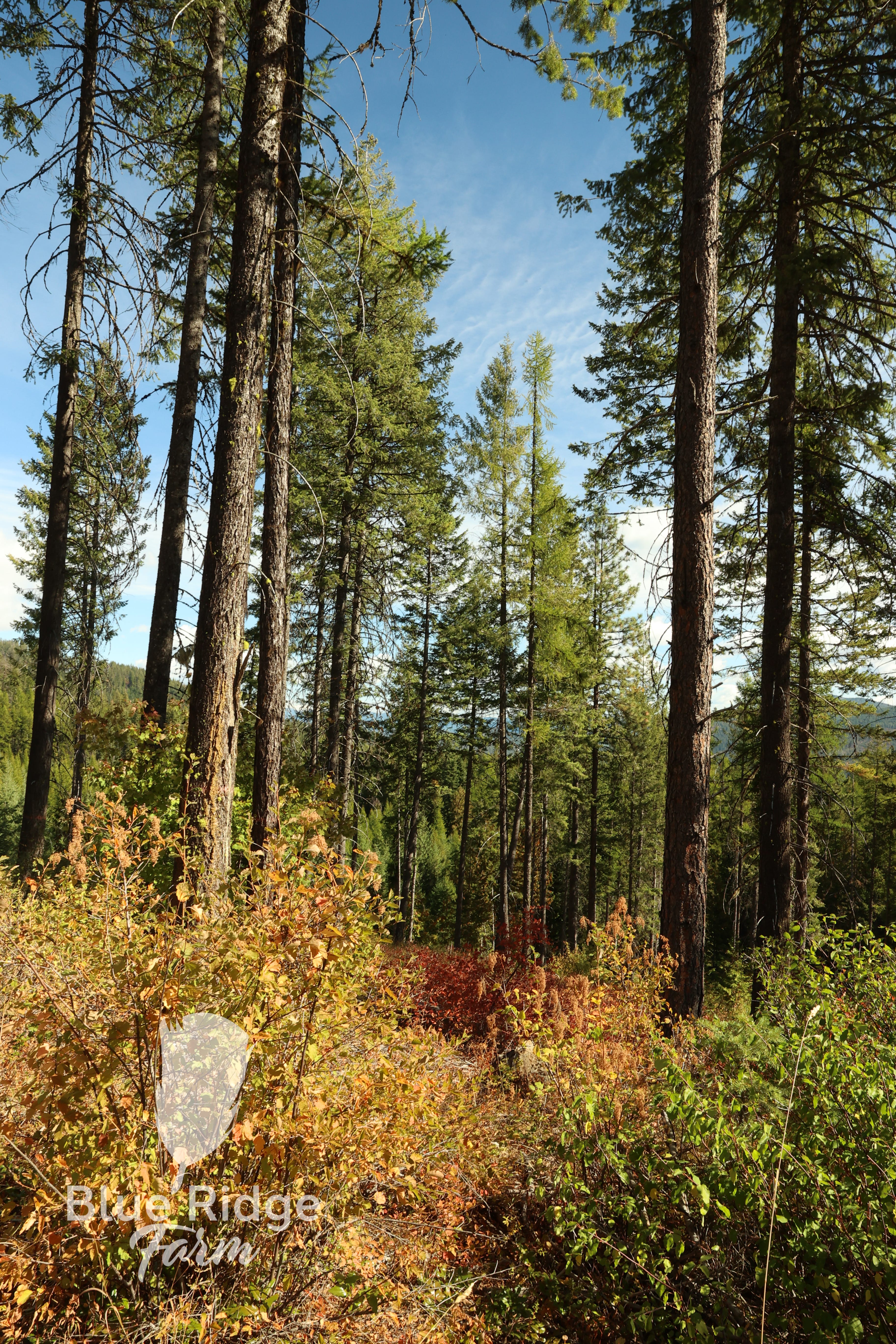
As October faded into November, and the torchlight of the tamarack trees went with it, I continued to spend time wandering around in the bear woods, hoping against hope that I might somehow still run into my sow. But the woods remained empty of bears, and soon the arrival of cold and heavy snows ended my hopes forever for that season.
I felt a deep sense of loss that made me question myself and my hunting abilities. How could I call myself a bear hunter and yet never have been successful at harvesting one? Were my years of training and searching all for nothing? What was I doing out here anymore?
Upon deeper reflection, I realized that my journey as a hunter wasn’t merely about harvesting a bear (though I am still determined to do so someday!). Instead, I needed to walk that long and painful path to healing, filled with both fear and failure, to develop a true admiration for the animals that I so determinedly pursued. The sow had simply been an embodiment of that journey.
She helped to teach me that hunting is a spiritual endeavor – not a bloodlust sport as so many assume, but a way of communing with and appreciating the animals that feed us in a manner that I had never experienced on the farm.
That intimate connection to the land and to food is one that is sorely lacking in today’s society of ever-increasing urbanization, where meat comes pre-packaged at the grocery store and even our “farm fresh” products unintentionally hide that most important aspect of eating flesh – the moment of harvest.
The irony is that this moment, missing in our conception of “farm fresh,” is encapsulated in the common societal image of hunting, making the act of hunting a far more honest depiction of eating meat.
Without this sort of continued connection to our food chain, we run the risk of becoming lost, not merely forgetting the truth about the hidden costs of eating but forgetting our own roots of what helped make us human, as well as our deep connection with the animals that call this earth home.
For a certain percentage of us, hunting is a way of overcoming this fate – of reconnecting us with the natural world, of looking the sometimes-sordid details of eating directly in the face, and all the while taking full responsibility for our place and our impacts on this earth and the animals that inhabit it.
Hunting may have been our heritage, but it is also a lodestone for our future.