
Reciprocal Agriculture
Why people and nature should never be an either/or proposition

When you step into the grocery store, there are a multitude of labels that greet you, each one vying for attention across the aisle: organic, biodynamic, natural, regenerative, sustainable. Each label claims to be better and more wholesome than the rest, yet without knowing the individual farms and farmers, how is it even possible to wade through the real practices involved with producing that food?
The short answer is that it’s not.
So-called “greenwashing” is a common and frustrating problem when it comes to identifying what went into raising the ingredients on your plate. Origins and impacts become hidden behind clever marketing, making the consumer feel good about supporting something that in fact may be far more dubious in practice than the comforting pastoral labeling would have you believe.
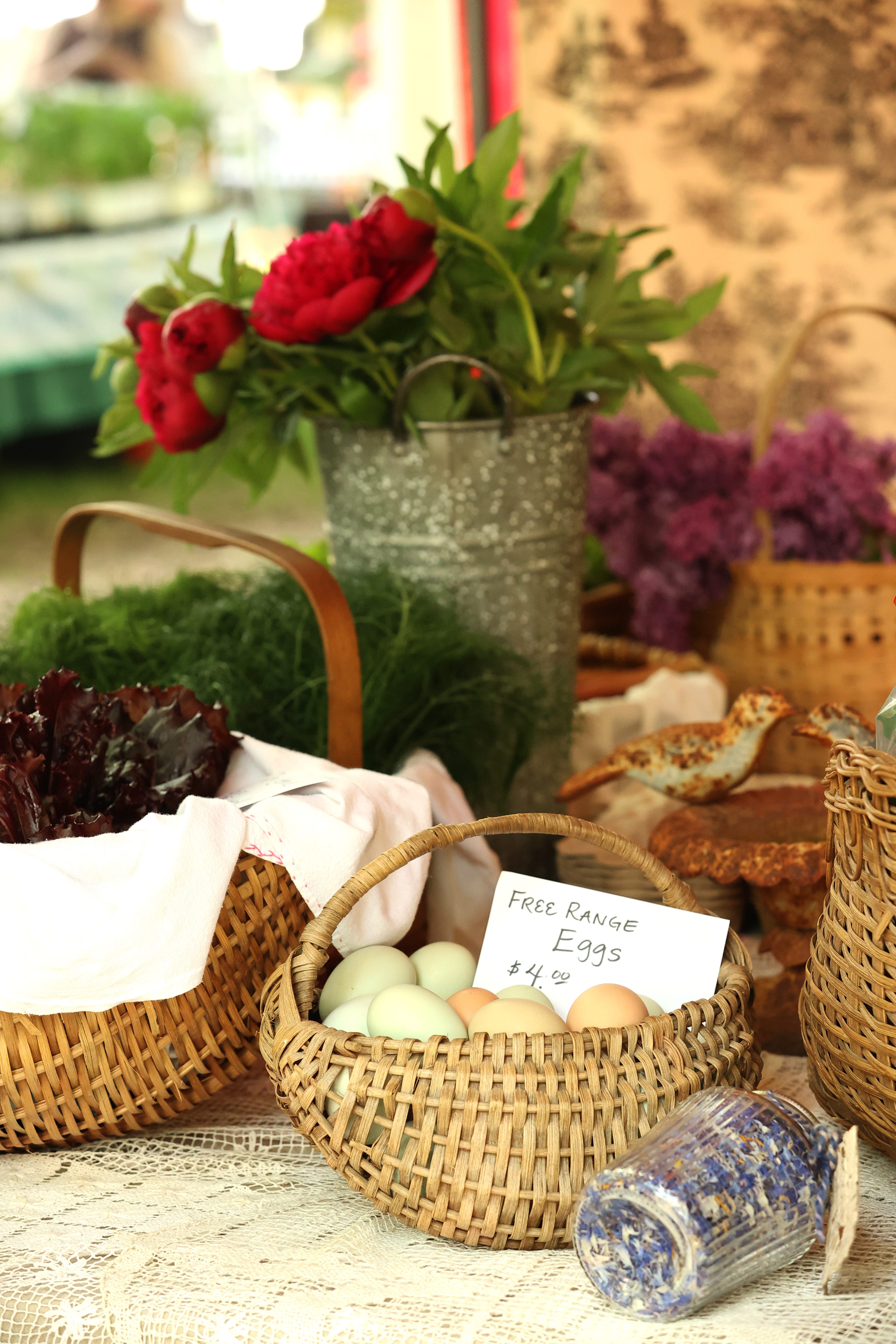
The best way to combat this is by getting to know the folks producing your food, and the simplest method to accomplish that is by shopping locally. A great place to start is frequenting local farmers markets and food co-ops, asking questions about agricultural practices, even visiting the farms, and at the end of the day deciding for yourself what agricultural practices you can feel good about supporting.
Even “green” labels such as organic certification can still promote soil-destroying practices like heavy tilling, as well as pesticide use (albeit using “natural” chemicals), though most consumers are not generally aware of this or take the time to consider its implications. Other labels, such as regenerative, don’t actually have any sort of standardized certification process yet, meaning farms can lay claim to the label without following the principles of the practice. I have no doubt that someday in the not-so-distant future, “regenerative” will be appropriated by industrialized corporate farms in the same way that organic, grassfed, and many other “green” labels already have.
For the purposes of simplicity, here at Blue Ridge Farm we call our farming practices “regenerative,” though in reality, they are far more reflective of a term I recently came across – Reciprocal Agriculture.
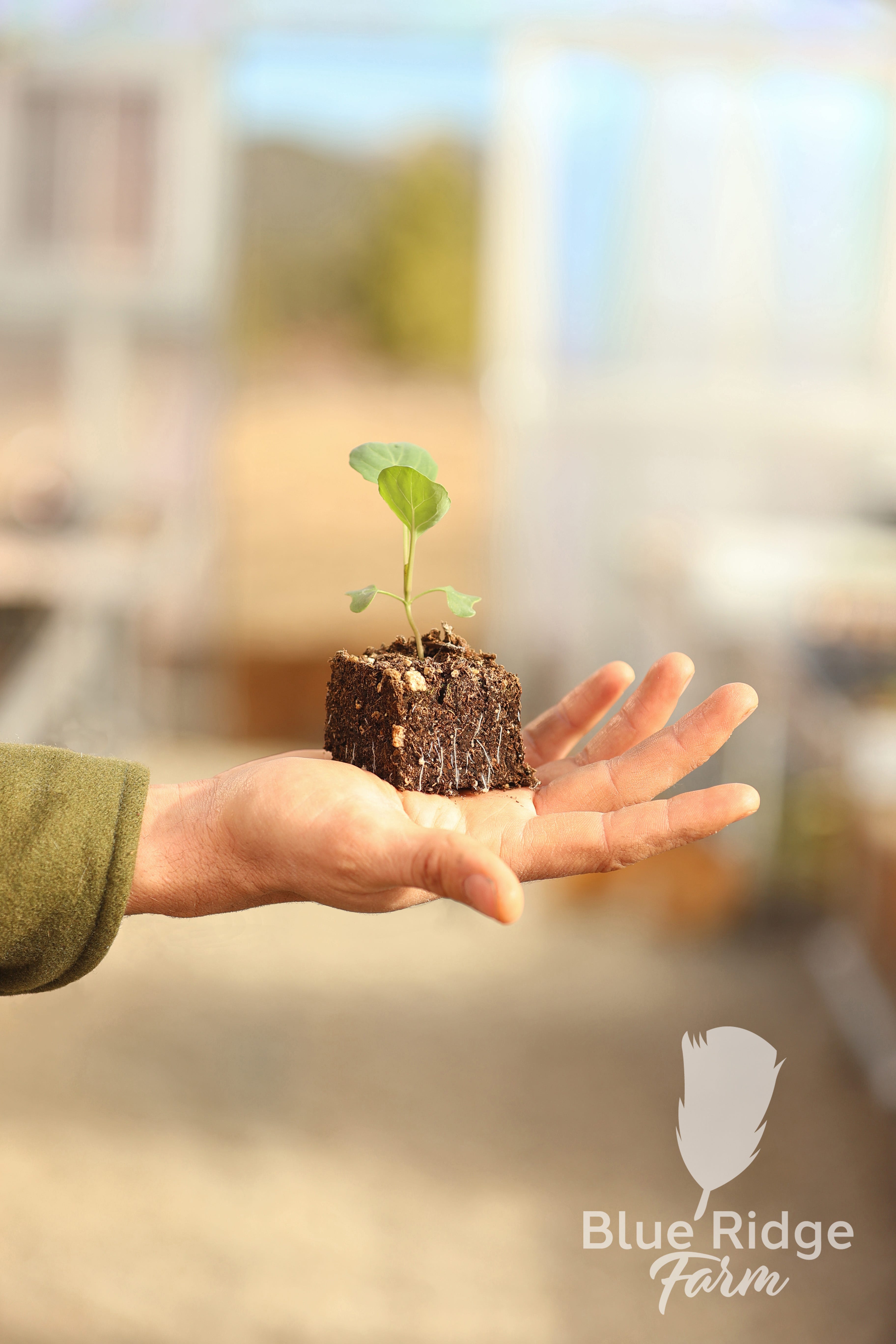
Reciprocal agriculture is essentially a form of land stewardship that takes a far more holistic approach to farming, recognizing on a landscape-wide scale the complex relationship between plants, animals, soil, and people, and how those interactions can be applied for the benefit of all. It’s a way of farming that involves giving back to the land far more than you take from it, and one that has been embraced by Indigenous Communities for thousands of years.
This concept of farming can be encapsulated by a quote from Bryce Andrews’ book, Holding Fire. In it, Germaine White, an Indigenous women and friend of the author, states, “Reciprocity is not the same as sustainability…people talk about sustainability, which has to do with how much you can take from nature, or a place, without it falling completely apart…that’s an improvement over taking everything without thinking about the consequences, but there are so many ways in which it misses the point. Most Native people look at the relationship between people and their place in terms of reciprocity. The question then becomes, ‘What can I give back? What can I do to take care of the place that feeds and shelters me?’ That’s a very different approach than asking, ‘How much can I sustainably take?’”
Unfortunately, much of the concept of modern agriculture revolves around the idea of asking how much you can take from the land before it falls apart, combining with that the question of how to keep wildlife out, and humans separate from nature. These are misinformed methods of looking at food production, and sadly more reflective of modern-day disjointed values about nature and eating than of actual land stewardship. Similar to recent wildlife management notions such as Compassionate Conservation and Rewilding, they ignore the fact that humans have been caretakers of the landscape and its animals for thousands of years and can continue to be while still producing food for their communities – to the betterment of all. Stewardship should never be an either/or proposition, and the landscape can benefit far more from a hands-on management approach than one that keeps people and nature separate.
When we first moved to Blue Ridge Farm, I fell into this mistaken notion of separateness, wanting to maintain minimal care input and do as little as possible in order to keep this place in what I then thought of as “pristine” condition. Though the land had been badly abused and needed help healing, my original way of thinking was that anything other than a light touch of stewardship was harmful, both to the land and the wildlife. We hear so much about the concept of Rewilding these days when it comes to natural spaces (that is, the idea of keeping humans and nature completely separate), but here I was attempting to apply it to a humanized pastoral setting. In both cases, it wasn’t the right path.
What I came to slowly understand was that a hands-on form of stewardship is key for keeping a landscape both healthy and wild. When I didn’t take an active part in the care of this place, it was the worse for it. The weeds took over, the wild animals left, and the depleted soils needed far more help obtaining nourishment than what nature could provide. It was a different form of neglect than what had previously been done, but it was still a form of neglect nonetheless. By trying to keep myself apart from the land, I continued to hurt it.
One day this past autumn found me vigorously digging numerous 8-inch-deep holes in the rocky soil of our orchard. I was planting rings of daffodil bulbs around our fruit trees, and the irony didn’t escape me that I was planting one of the most cheerful harbingers of spring during the desolate barrenness of late fall. The reason for the daffodils was that I had read they helped deter rodents such as voles and gophers from destroying delicate young saplings. I figured it was worth a shot, since we had already tried numerous other methods with mixed results, and out of an original planting of thirty trees, we were now down to merely six. Clearly, we needed to try something different.
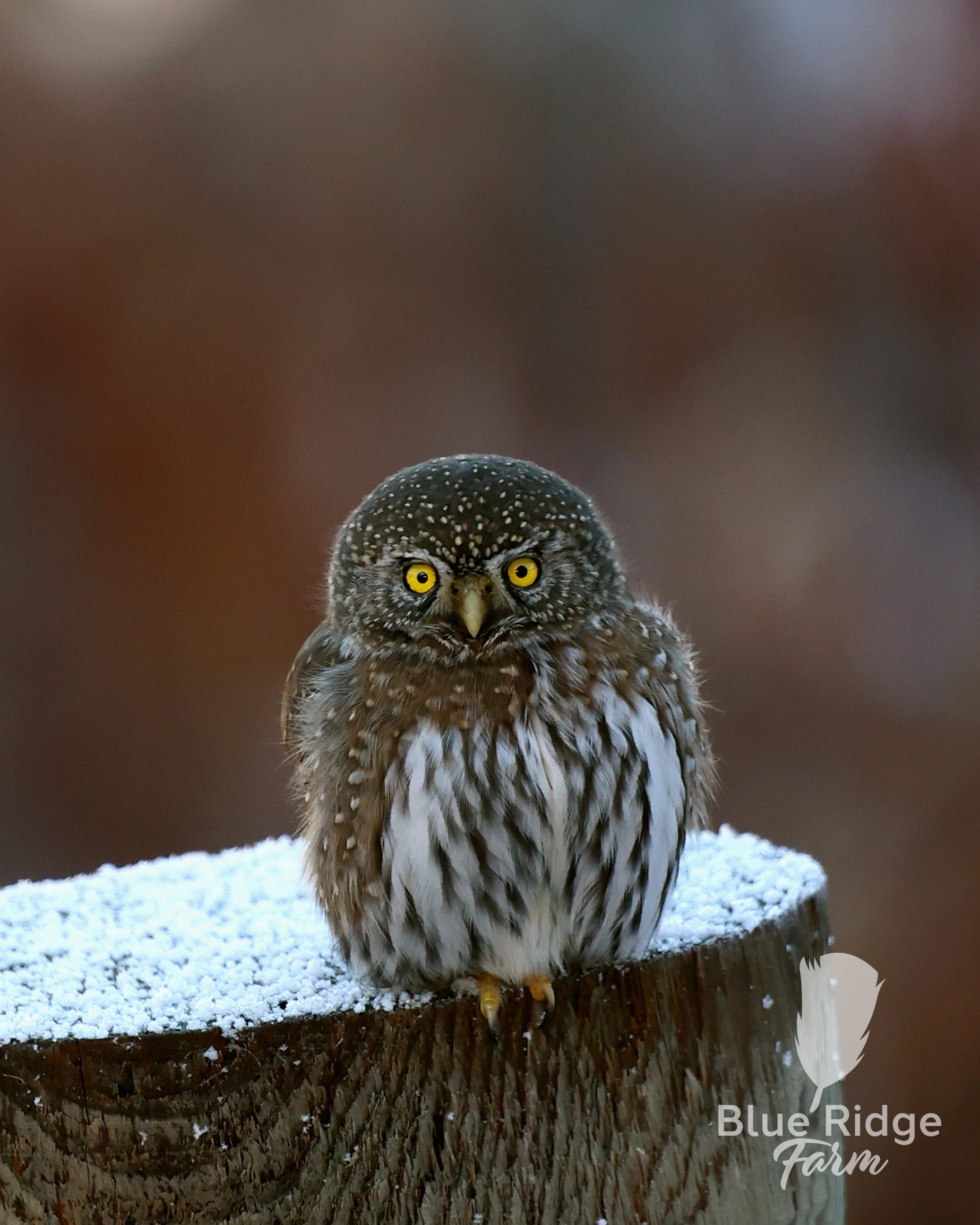
As I continued to dig, I started thinking about owl boxes, and how to coordinate having an owl box at the edge of the timber that overlooked the orchard, while still using the space as a wintering site for our flock of poultry. The gophers (and rabbits) had decimated our young trees every year despite our best precautions, killing on average 80% of the trees annually. I thought about how nice it would be to have some resident owls nearby to try and get a handle on at least the rodent population, even if it necessitated beefing up the defenses of our mobile poultry run. Instead of fighting against nature, I could work with it, providing nesting habitat for owls while potentially reaping the rewards of their presence.
It had been a very dry autumn, and as I was struggling to dig each bulb-sized hole, I noticed that after the first couple of inches of dark, moist soil, the rocky dirt below was grayish in color and bone dry. This doubly caught my attention because it also demonstrated how deficient the soil was. After that initial thin layer, there wasn’t much left to hold in either nutrients or water. While the geese were doing their part to add nitrogen, it was only a temporary solution, especially because poultry – even my beloved geese – can be hard on the land if left in one place for too long. The soil really needed some regular applications of compost and cover cropping to start building up a more natural barrier that would also support increased sub-surface microbiota (beyond the far-too-vigorous gophers).
As part of a more hands-on form of stewardship, I had recently decided to rework the layout of the farm and gardens. In an effort to take a more holistic approach to land management, I would be utilizing some classic permaculture strategies to aid in my endeavors.
We had always planted diverse crops here, but I wanted to take it a step further. In the orchard, that meant moving away from a gridwork of fruit trees and into a design that didn’t merely incorporate variety but celebrated it: daffodils for pest deterrence, comfrey, chives, and other companion plants to help pull up nutrients and provide additional pest control, as well as a mixture of fruit trees, stately nut trees, nitrogen-fixing shrubs, and low-growing berries. Essentially, a far more natural (and productive) environment than the mono-scape of the “classic” orchard, and one that would also provide enhanced food and habitat for beneficial insect and bird life.
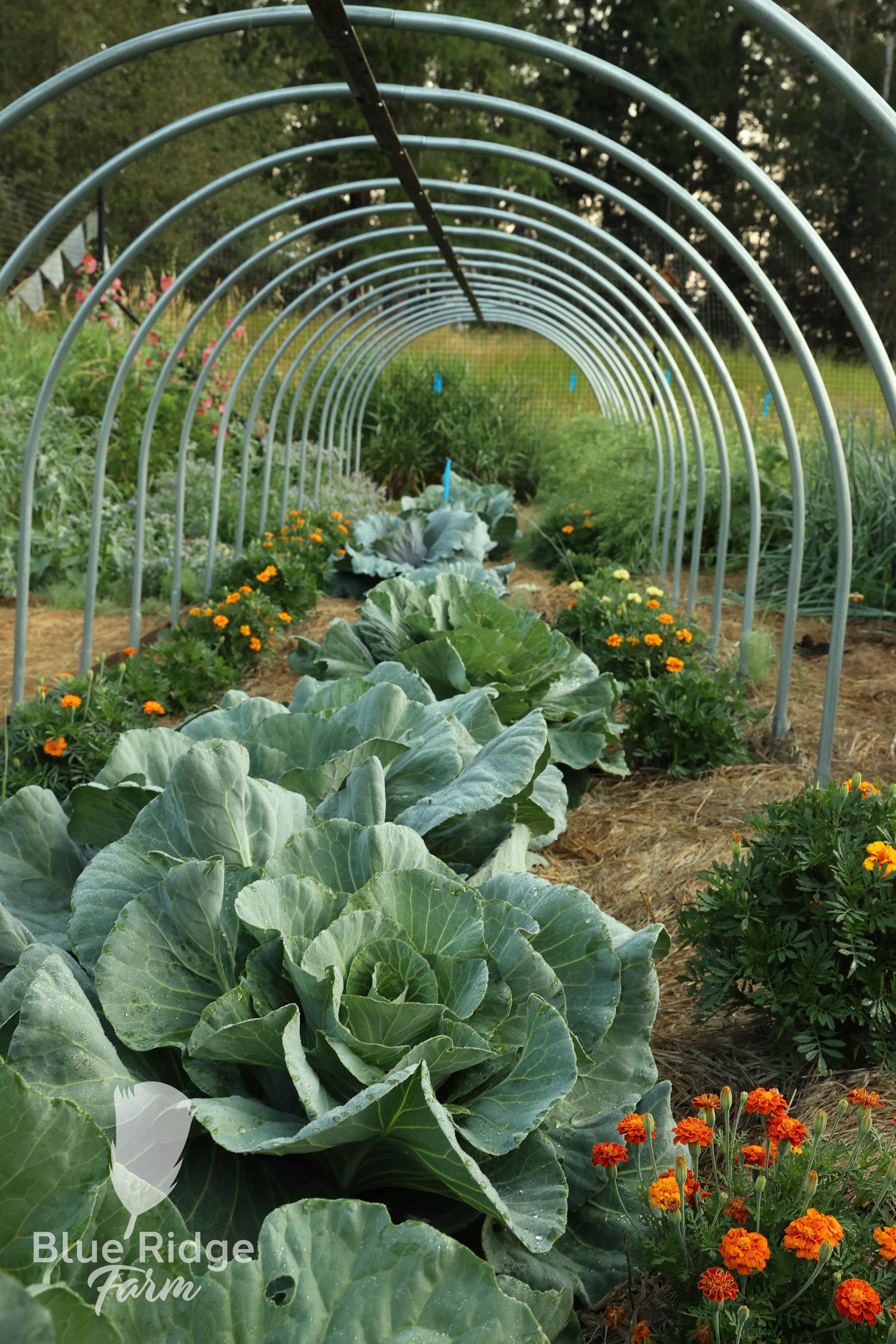
In the gardens, this more holistic approach meant expanding my thinking from the classic row-by-row form of gardening and instead looking at all of the plants as an ecosystem, with an understanding of their strengths and weaknesses and how they each interacted with one another. For example, instead of planting rows and rows of cabbages (which always got decimated by cabbage moths despite my best efforts), I decided to plant a single row of cabbages flanked on either side by French marigolds and calendula. These flowers helped to attract beneficial predatory insects, provided food for pollinators, and in the case of the marigolds, repelled soil-borne pests such as root nematodes as well as deterred gophers. Plus, they were a beautiful addition to the cut flower bouquets that we sold at the farmers market. By utilizing the power of companion planting and predator-prey relationships, and allowing a more natural balance, we took our caterpillar problem from devastating to nearly non-existent. This was one example among many of how a more holistic approach to food production can yield untold benefits for all.
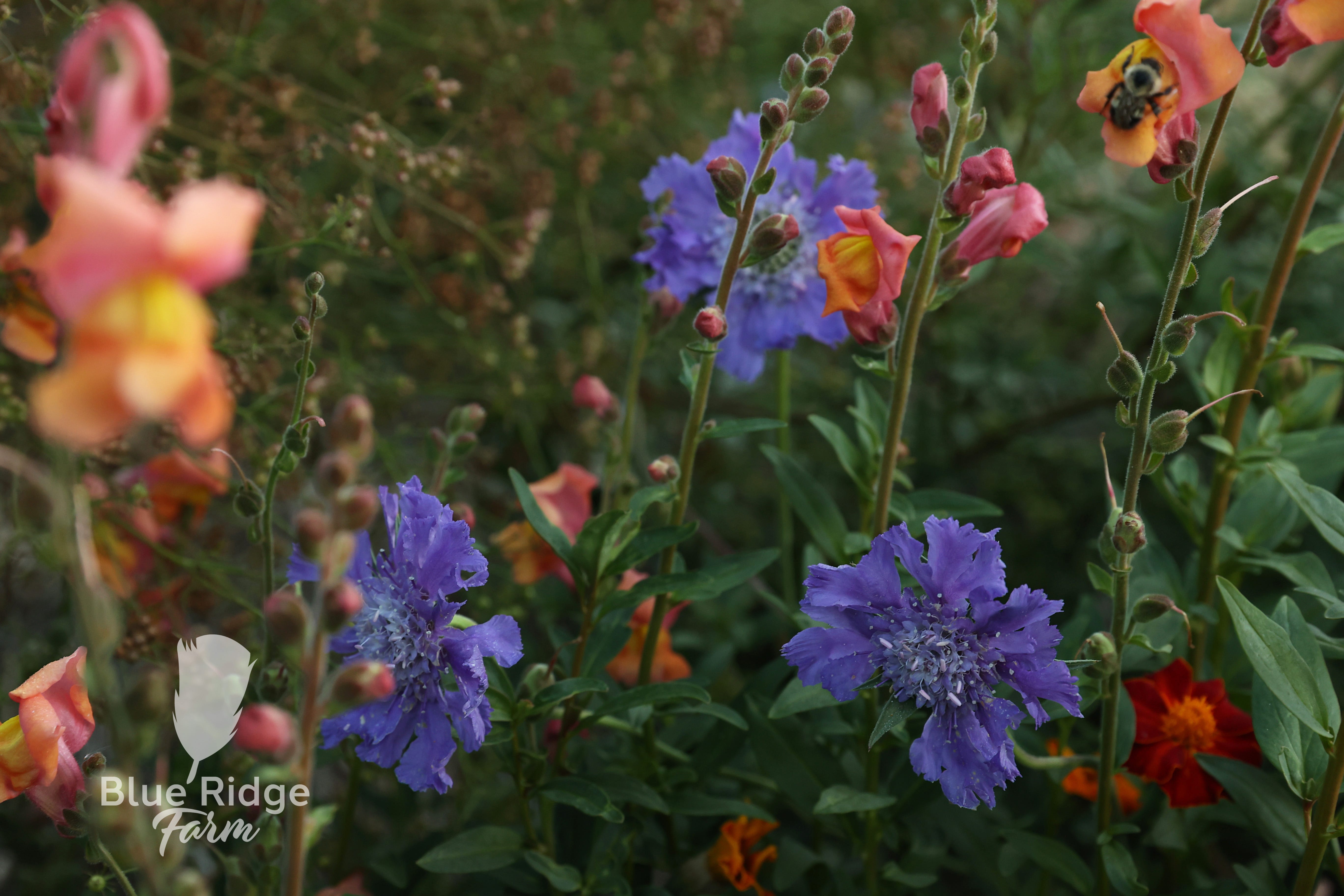
In a continuation of this philosophy, we also planted several large new flower gardens near the greenhouses to help attract native pollinators, along with the introduction of bee boxes and leafcutter bees. In previous years, we had suffered from issues related to a lack of pollinators, drastically decreasing our vegetable and fruit production. In these new flower gardens, we not only planted flowers of different shapes, but enough types of flowers to provide continuous blooms from early spring through late autumn. As a result, we saw an enormous increase in crop yields and a drastic decrease in insect pests, as some of the pollinators now included predatory bugs such as wasps and tachinid flies.
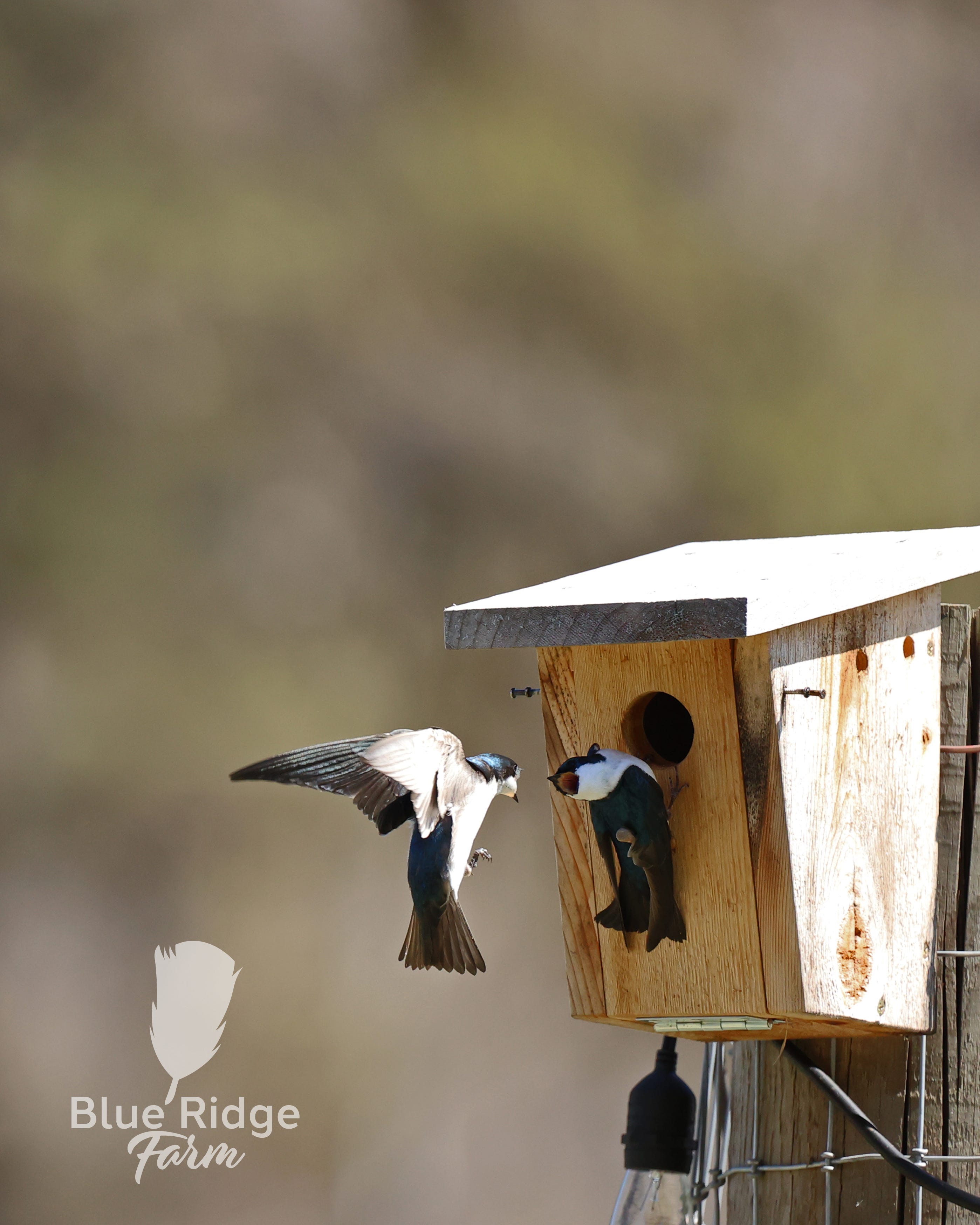
To increase our population of native songbirds, we installed dozens of cedar nesting boxes along fence posts all over our property. These nesting boxes attracted the beloved swallows and bluebirds that arrived in our valley every spring. They, in turn, feasted on the hordes of mosquitoes and black flies that plagued us mercilessly during the warm months, and we enjoyed a noticeable decrease in biting insects as a result.
Even my greenhouses began to provide habitat for wildlife. My humid polycarbonate greenhouse soon became a home for frogs, and I inadvertently smiled every time I walked in and found them serenading me from a potted plant. I discovered that our population of garter snakes increased once we built our high tunnel greenhouse, the rocky terracing and interior hay mulch creating the perfect habitat for them. They aided me in pest control, and I enjoyed their presence every morning as they sunned themselves in the warmest corner of the greenhouse. Creating good snake habitat had been an accidental result, but it made me realize how easily we can incorporate a place for nature in our lives.
Stewarding the landscape also requires dealing with invasive plants and animals, which outcompete native species for habitat (and in the case of weeds, can sometimes be toxic to livestock). As I slowly watched the starlings, bindweed, and other unwelcome invasives show up, I started to feel a growing sense of depression, as though their very presence meant that I had failed the land. What I came to realize is that while I may not be able to fully prevent the arrival of invasives, I can take an active stewardship role in doing my best to limit their impact.
Culling starlings meant an increase in the number and diversity of native songbirds, enhancing biodiversity. Without the presence of the starlings, we suddenly had more birdlife on our property than ever before, many of which I didn’t even know the names of at first: robins, mountain as well as western bluebirds, barn swallows, tree swallows, wrens, catbirds, cedar waxwings, common redpolls, goldfinches, kingbirds, nuthatches, and more. Their presence brought back the avian predators, and we enjoyed watching the balance of the cycle of life play out as hawks and kestrels found food and mates on our land. The skies were now filled with a multitude of colorful birds, who in turn filled our ears with their beautiful song, enhancing the experience of every moment spent outside.
As the flowers in our pollinator gardens slowly went to seed, they in turn provided food for many of our feathered friends, and the gardens (and garden mulch) even provided nesting materials and habitat. I had wrens making their home in my greenhouses and helping with insect pests, while hummingbirds nested in my tomato vines and aided in pollination. My garden was the better for it, and it allowed me to understand that the presence of people on a landscape doesn’t always have to be to its detriment, that people and nature can work together for the benefit of both. That is something I never would have realized if I hadn’t started taking an active role in the stewardship of this place.
When the invasive weeds started creeping into the pastures, we hand-pulled and mowed down what we could, and then used no-till methods to plant native bunch grass seeds which would not only (eventually) out-compete and shade-kill the weeds but also provide a welcome food source to local wildlife. In the meantime, the height and thickness of the pasture’s grass was our greatest defense against the weeds. With this in mind, we were always careful to rotationally graze our animals, moving them every couple of days to new sections of pasture, which allowed the grass to recover and return lushly.
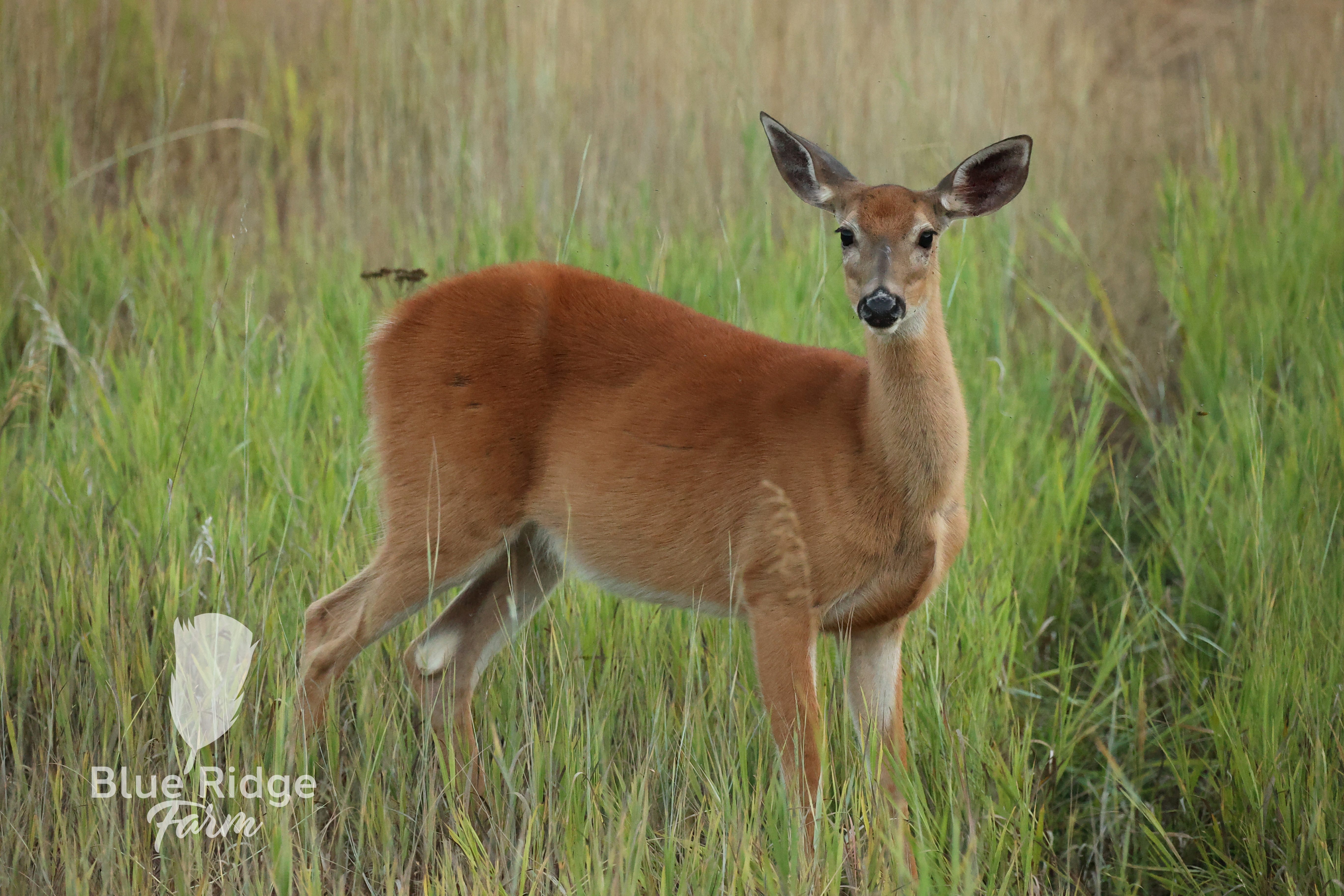
Wildlife was one of the treasures of this place, and we approached stewarding it with an eye towards biodiversity. We understood the value in both the predators and the prey, and that a healthy landscape required a balanced presence of both. That meant our philosophies of management needed to take into account not simply what was best for the deer, but what was best for the cougar too.
The property came with sections of already-established hedgerows, mostly along riparian areas and surrounding parts of our hay fields. These hedgerows not only provided seasonal food (mostly in the form of berries), but also gave cover to wild animals as they traveled from one area of habitat to another. The hedgerows were a vital component that helped (literally) bridge the gap between wildlife and human development.
In an effort to increase our wildlife habitat, we applied for (and were awarded) a grant to establish a further 600 yards of hedgerow along our north/northwestern property boundary. This section would be planted with many of the native plants already thriving here: snowberry, chokecherry, hawthorn, etc., along with others that we were currently propagating in our greenhouse. The goal with this hedgerow project was to funnel animals away from conflict areas and give them a safer zone to move from one section of timber to another. As an added benefit, the hedgerow would also provide a small seasonal food supply in the form of berries and other native fruits.
This year had been a rough one for wildlife – hot and dry, with many of the seasonal food crops (such as berries) almost nonexistent. As we planned our hedgerow project, we thought about the importance of food sources when it came to establishing good habitat. There is a small pasture on our westernmost section that used to be a hay field but really isn’t worth the hassle. I thought about this abandoned field and realized it would be the perfect place to establish a small food plot orchard. It would be near the terminus of the new hedgerow and could help provide sustenance for animals (as well as people) in the years when other sources were scarce. Establishing it would be a challenge for sure – not just for keeping the wildlife from destroying the young trees but even just figuring out how to set up an off-grid irrigation system – but the benefits would be worth it.
One day I looked around me and realized how much better the land had become once I had taken an active role in it. Though farming is always a work in progress, the results of this hands-on approach to stewardship were visible everywhere.
When my ears were greeted with an orchestra of bird song every time I went out the door; when I saw herds of deer grazing peacefully in our fields and cow elk and their calves resting behind the greenhouse; when I heard the alarm calls of tree squirrels announcing the quiet tread of a predator within the hedgerows; when I held a clump of soil in my hands and saw it come alive with earthworms; when I stepped over the little tributary creek and spotted the silvery flash of trout swimming quickly away; when I saw weasels hunting gophers in my garden and garter snakes calling my greenhouse home; when I saw the landscape alive with both native habitat and agricultural rows, I knew that I had created something beautiful; that I had found the balance between people and nature; that I had finally remembered the ability to live in reciprocity with the landscape.
The concept of reciprocal agriculture is an overarching lesson that doesn’t just apply to farmers. It’s a moral for all of us, demonstrating the need for understanding that humanity’s presence on the landscape doesn’t have to be to the detriment of it, and that the land and its wildlife can be the better for people taking an active role in the care of it.
It’s about asking, “What can I give back? What can I do to take care of the place that feeds and shelters me?” This is an incredibly important question in our era of industrial agriculture, where we face drastically decreasing soil productivity, continuously increasing human development, and an alarming decline in biodiversity.
True land stewardship is more than just a government-backed certification or a label on a package of food at the grocery store. True land stewardship requires boots-on-the-ground knowledge of the complex interactions of a given landscape and its plants, animals, and people, and an understanding of how those interactions can be utilized without taking away more than we put in.
It requires more energy and effort than shopping at the supermarket. It forces each of us to get outside and get to know our farms and farmers, to learn how each of them views and works with the land and its inhabitants, and to see what each of us as customers can feel good about supporting. It asks for much more of a commitment than standing in line at the checkout counter, but the end result of that extra effort is vital for the long-term health and well-being of ourselves, our land, and our wildlife.
It's about all of us learning to give more than we take.